
Crane operators must grasp how lifting hooks and wire ropes work together. It's not just technique; it's safety. These hooks are crucial in crane mechanisms, ensuring successful operations. They combine strength and finesse to move heavy loads. This guide is your go-to resource, highlighting their key roles. Both seasoned professionals and beginners will find it essential. It helps you master lifting hooks and wire ropes, skills indispensable for certification.
Every lifting operation revolves around the crane hook. This component may look simple, but its design is intricate. It's vital in lifting tasks. Let's explore its key elements:
Hook Block: The action center. It's a sturdy housing that joins the lifting hook to the wire rope and load. This block controls all lifting, built to handle the weight and dynamics of the load.
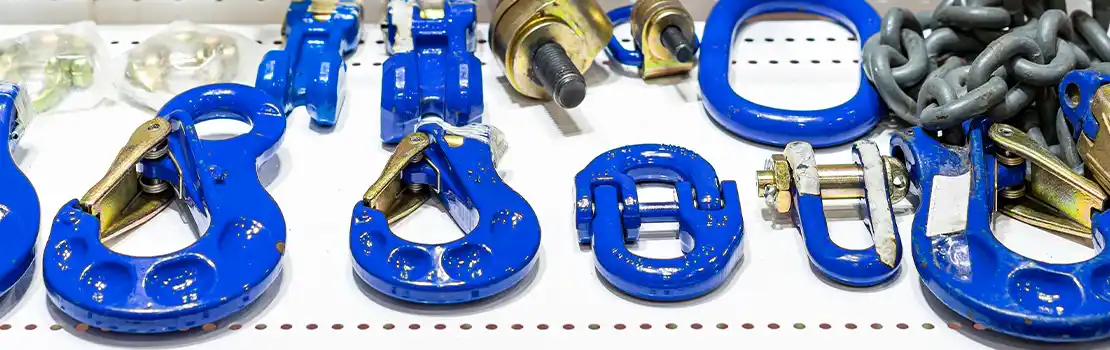
Chain Hook Types: Not all hooks are created equal. The variety is as extensive as the applications they serve:
Types of Hooks: The selection is vast, but here are some common ones:
Each type of hook has its place in the vast tapestry of lifting operations. Knowing which hook to deploy for the task at hand is a testament to an operator's expertise. Next, we'll examine how these hooks adapt to different applications, ensuring precise and safe operations.

In the realm of crane operations, versatility is paramount. The diversity of lifting hooks available is a testament to the industry’s adaptive evolution. Each hook is purpose-designed, equipping operators to tackle any lifting challenge:
Construction Hooks: These robust hooks are a mainstay on building sites, where durability and versatility are in high demand. They can handle everything from steel beams to precast concrete.
Rigging Hooks: Precision is the hallmark of rigging hooks. With their specialized designs, they play a critical role in the assembly and disassembly of complex structures, where every inch counts.
Specialized Hooks: Unique lifting scenarios require specialized hooks. Sorting hooks, for instance, are designed for efficiently sorting and moving specific materials.
Overhead Lifting: Eye lifting hooks provide a secure attachment point for slings, commonly used in overhead crane operations.
Load Turning: Swivel hooks are essential when the load needs to be rotated or positioned during lifting.
Heavy Loads: Heavy-duty lifting hooks come into play for lifts beyond standard capacity. Their reinforced design manages the extra weight effectively.
Understanding when and where to utilize each type of lifting hook is a skill that comes with experience and training. It is this knowledge that ensures not only the success of a lifting operation but also the safety of the crew and equipment.
Wire ropes are the silent partners to lifting hooks, often overlooked but just as critical to the lifting process. Together, they form a reliable duo that is fundamental to the safety and functionality of crane operations:
Wire Rope Types: The choice of wire rope is as crucial as the hook. Factors such as the rope's core, lay direction, and strand composition directly affects its performance and suitability for specific lifting conditions.
Matching Hooks with Ropes: Compatibility between the lifting hook and wire rope ensures that the lifting assembly operates seamlessly. An ill-matched pair could compromise the lift and put the entire operation at risk.
Inspection and Maintenance: A regular and thorough inspection routine for both wire ropes and lifting hooks is the best defense against the unforeseen. It’s about catching potential issues before they escalate into costly or dangerous problems.
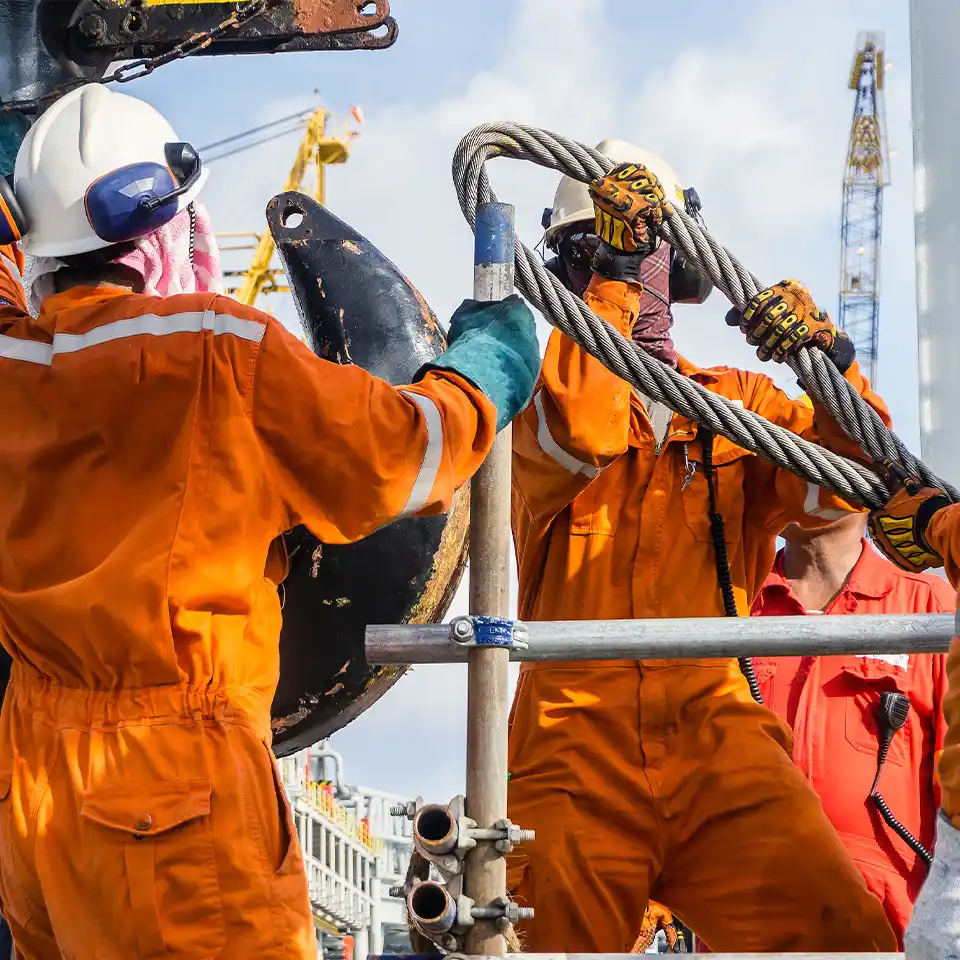
Load Dynamics: The interplay between the lifting hook and wire rope must accommodate the dynamics of the load, from its weight to how it's distributed and handled.
Environmental Factors: Conditions like weather, temperature, and exposure to chemicals can dictate the choice of wire rope and hook material.
Lifecycle Management: Regular maintenance extends the life of both hooks and ropes, ensuring they can be relied upon lift after lift.
By paying close attention to the wire ropes and lifting hooks, crane operators can ensure that their equipment is always ready for the task at hand, maintaining the highest safety standards in the process.
To master crane operations, one must delve deep into the world of lifting hooks and wire ropes. Their varied types and applications form the backbone of safe and efficient lifting. Whether it's executing heavy lifts with robust hooks or handling delicate sorting tasks, the right expertise is key. As you navigate and master these essential tools, remember their pivotal role in ensuring the success and safety of every lifting operation, solidifying your path as a skilled crane operator.
Are you ready to elevate your career in crane operations? AP Crane Training offers specialized courses that blend technical know-how with practical experience. Our expert-led programs ensure you master the essentials of lifting hooks and wire ropes, setting you up for success in the field. Embrace this opportunity to:
Don't let another day pass without advancing your skills. Contact AP Crane Training and secure your spot in our next session. Elevate your understanding, enhance safety on your worksite, and move your career forward with confidence.
Enroll Today: Take the first step towards expert certification. Get in touch with AP Crane Training now, and begin your journey to becoming a certified crane operator with a strong emphasis on safety and efficiency.






An All Purpose Safety Training Solutions Company